
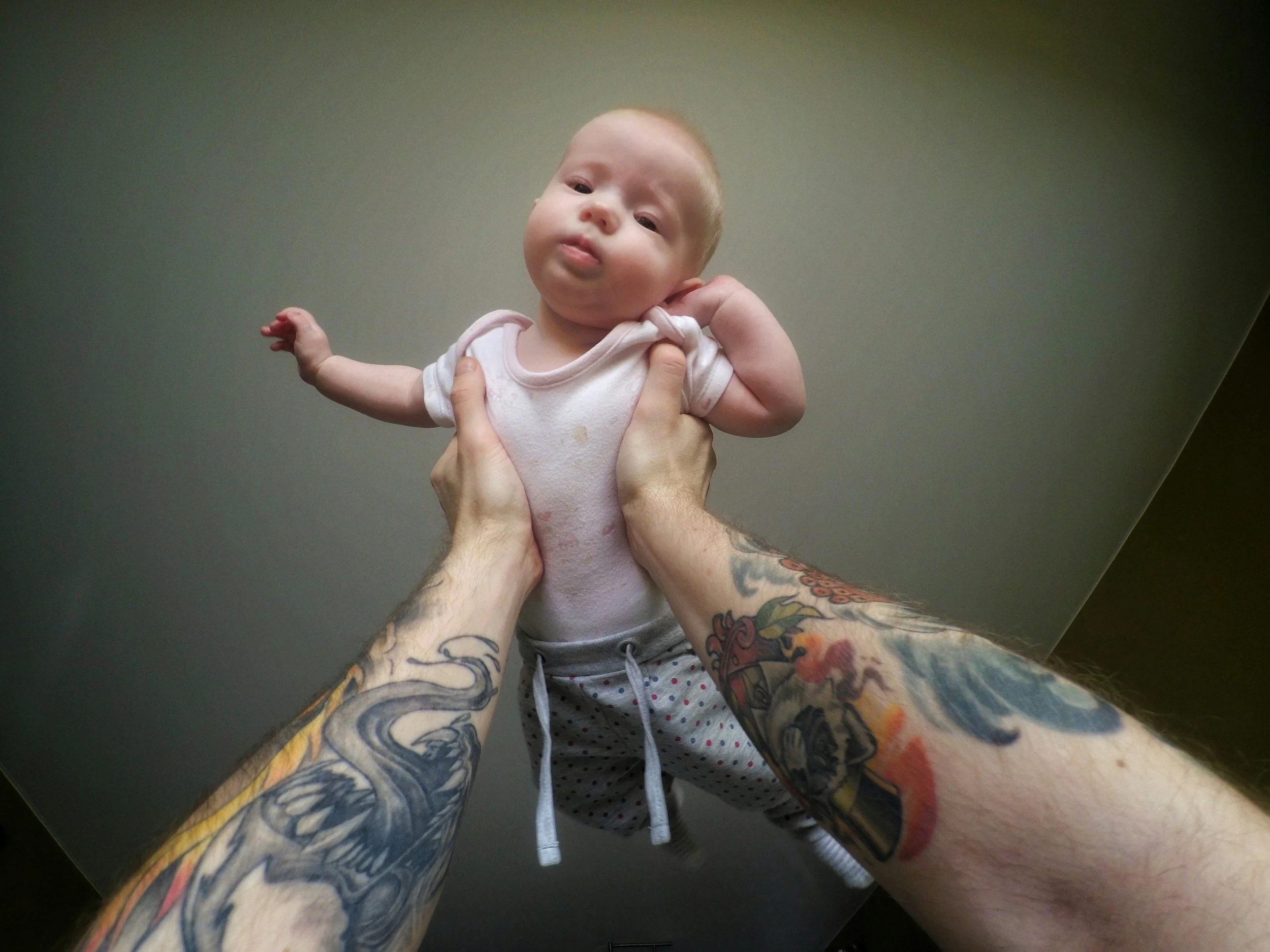
Pediatric torticollis is a very common condition where one of your baby’s neck muscles tightens or goes into spasm, making it hard for them to keep their head in a neutral position. The good news is that with early support-including gentle pediatric chiropractic care and simple home positioning strategies, most babies do very well and can move, grow, and develop more symmetrically.
What is pediatric torticollis?
In most babies, torticollis involves the sternocleidomastoid (SCM) muscle on one side of the neck going into spasm or becoming shortened. This causes the head to tilt toward the side of spasm, with the chin rotated toward the opposite side, and your baby may struggle to turn away from their “preferred” side.
Because the head is always tilted and turned in one direction, babies can develop limited neck range of motion, uneven development through the shoulders and spine, and asymmetrical gross motor skills like rolling, crawling, and walking. Over time, constant pressure on the same part of the skull can also contribute to a flat spot on the head (positional plagiocephaly) and even subtle changes in how the eyes track the world, since the head is never truly straight.
Why early care matters
The first year of life is a huge window of brain, vision, and gross motor development, which is why addressing torticollis early is so important. As your baby starts to work on tummy time, rolling, sitting, crawling, and eventually walking, balanced neck motion helps them use both sides of their body more equally and hit milestones with more ease.
When torticollis is identified and supported earlier, research and clinical experience both show shorter treatment times and a lower chance of needing more invasive interventions, such as helmet therapy for flat spots. Early intervention sets the stage for more symmetrical posture, better visual tracking, and smoother transitions into each new motor milestone.
How chiropractic care can help
Pediatric chiropractic care focuses on reducing tension in the overworked SCM and surrounding muscles, while improving gentle motion through the neck and spine. At Active Life Chiropractic, care for babies is very gentle, theres no “pops” or “cracks” and we utilize about the same light pressure you would comfortably use on your own eyeball.
During a visit, a pediatric-focused chiropractor like Dr. Mikayla will:
Assess your baby’s neck range of motion, preferred head position, and overall posture from head to toe.
Use targeted soft tissue work and gentle stretches to help relax the tight SCM and supporting muscles.
Perform light, age-appropriate adjustments to the neck and spine to encourage smoother motion, improved comfort, and more balanced use of both sides of the body.
Because chiropractic care works closely with the nervous system, many parents also notice their baby seems more relaxed in their body, tolerates tummy time better, and is more willing to explore new positions and movements once that neck tension starts to ease.
Why choose a pediatric-specific chiropractor
Infants are not adjusted like adults, and working with a provider who routinely cares for babies is key for both safety and effectiveness. A pediatric-specific chiropractor has additional training in infant anatomy, development, and gentle techniques, and understands how torticollis can show up alongside things like feeding preferences or flat spots on the head.
At Active Life Chiropractic, Dr. Mikayla works with babies and children regularly and has focused training through pediatric chiropractic programs such as those offered by the International Chiropractic Pediatric Association. This background allows her to blend gentle hands-on care in the office with practical, developmentally appropriate home strategies for parents, so progress continues between visits.
Simple at-home tips to support your baby
Along with individualized exercises provided by Dr. Mikayla after a specific evaluation, these are general tips you can try at home right now:
Placing toys, books, or your face on the side opposite your baby’s usual head preference to gently encourage them to turn the other way.
Side-lying play on the side opposite their preference so they learn to work and strengthen the “weaker” side in a playful, supported way.
Changing which end of the changing table their head goes toward so the interesting things in the room are on the non-preferred side.
These positioning strategies pair well with the gentle muscle work, stretching, and spinal care your baby receives in the office, giving their body more chances throughout the day to practice turning and using both sides equally.
If you are wondering whether your baby’s head tilt, side preference, or flat spot might be torticollis, or you are ready to explore gentle support for your infant, Active Life Chiropractic is here to help. Give our office a call or book your appointment online today to have your baby evaluated by Dr. Mikayla and learn what personalized, pediatric-focused chiropractic care can do for your little one.